Are You a Mindfulness Professional or Coach Looking to Grow Your Practice?
Share your best email address to receive the Meditation Mastery Kit — absolutely free. Inside, you’ll get done-for-you guided meditation scripts, royalty-free meditation tracks, and social media post templates to help you better serve your clients and expand your reach.


IFS Firefighter Parts Guided Meditation Script: Meet the Part That Rushes In to Numb and Let Self Lead
Wednesday, November 25, 2026
In Internal Family Systems (IFS), firefighters are the parts that show up fast when something painful starts to surface. They grab the phone and scroll for an hour. They open the fridge, pour another drink, binge a whole season, or flare into anger before anyone has a chance to think. Clients often feel ashamed of these parts, and they usually arrive in session wanting to get rid of them. This IFS firefighter parts guided meditation script offers a different way in. It invites the client to slow down, meet the part that rushes in to numb or distract, get curious about what it is trying to put out, and thank it for working so hard. You can use it with therapy clients, coaching clients, or in a mindfulness group where people are already familiar with parts language.
The practice runs about eight to ten minutes and works well after a client has met their managers and exiles, since it completes that set of protector work. If you have been looking for IFS firefighter examples you can bring into a session, this gives you a gentle, experiential one rather than a worksheet. The script below is written to be read aloud, word for word, directly to your clients. Pause where it says to, and let the silences be longer than feels natural. This meditation is a supportive practice and isn’t a substitute for professional mental health care, trauma therapy, or addiction treatment. If a client becomes flooded, stop, ground them in the room, and return to the work only when they feel steady.
Let’s get started.
IFS Firefighter Parts Guided Meditation Script:
Find a position that lets your body be supported. You might sit with your feet on the floor, or lie down if that feels better today. Let your hands rest wherever they land.
When you’re ready, let your eyes close, or simply lower your gaze to a spot on the floor in front of you.
Take a slow breath in through your nose… and let it go through your mouth, a little longer than the inhale.
Once more. Breathe in… and out.
(Pause)
Now let your breathing find its own pace. There’s nothing to fix and nothing to get right here. Just notice the air moving in and out.
Feel the weight of your body against the chair, the cushion, or the floor. Let the ground take a bit more of you with each exhale. Your shoulders can drop an inch. Your jaw can loosen. Your hands can soften.
(Pause for several breaths)
Bring to mind a recent moment when you suddenly reached for something to make a feeling go away. Maybe you picked up your phone and lost track of time. Maybe you ate past the point of hunger, poured a drink, snapped at someone, or kept a show playing long after you stopped watching it. You don’t need the most dramatic example. A small, ordinary one is perfect.
Let that moment come back gently, as if you were watching it from a few steps away.
(Pause)
Just before you reached for that thing, something else was starting to rise. It might have been loneliness, or shame, or the tight feeling of being overwhelmed. You don’t have to go into that feeling now. Simply notice that it was there, somewhere underneath.
And then a part of you moved in quickly to put it out.
See if you can sense that part now. Where do you notice it in your body? It might be a restless energy in your hands, a pull in your chest, heat in your face, or a buzzing behind your eyes. Let your attention rest there, softly.
(Pause for several breaths)
Notice how you feel toward this part. Maybe there is frustration, or embarrassment, or a wish that it would just go away. That’s completely understandable. Those feelings belong to other parts of you. See if they would be willing to step back a little, just for a few minutes, so you can get to know this one.
If they’re willing, thank them. If they aren’t ready, that’s fine too. You can let them stay close and simply listen.
(Pause)
Now turn toward the firefighter part with a little curiosity. You might picture it in some way. It could look like a person, an animal, a shape, or a color. Or you might just feel it as a sensation. Whatever comes is welcome.
Silently ask it: What are you afraid would happen if you didn’t step in?
Then wait. Don’t search for an answer. Let it come to you, or let nothing come.
(Pause for several breaths)
Whatever you heard or sensed, take it in. Perhaps it said it is protecting you from a hurt that feels too big. Perhaps it said that when the pain gets loud, it’s the only one who acts fast enough. Perhaps it simply showed you how tired it is.
Ask it one more question: How long have you been doing this job?
(Pause)
Firefighter parts often start working when you are very young. They learned to come running whenever something felt unbearable, and they never got a day off. See if you can let this part know you see how hard it has been working, and that its intention all along has been to help you survive the moment.
You might say to it, silently: Thank you. I know you’ve been trying to protect me.
(Pause for several breaths)
Notice what happens in your body as you offer that thanks. Maybe something softens. Maybe the part relaxes a little, or maybe it stays alert. Either response is okay. It has good reasons to be watchful.
Now let the part know that you are here. Not the scared younger parts, not the critical parts, but the calm, steady you that can notice all of this without being swept away. Let it feel your presence, the way a tired firefighter might feel a steady hand on the shoulder after a long shift.
You might ask: Would you be willing to let me stay with the feeling next time, even for a few breaths, before you rush in?
You don’t need a yes. Just notice how it responds. Even a small maybe is a big step.
(Pause for several breaths)
If it feels right, let the part know it doesn’t have to carry the whole job alone anymore. You’ll come back and check in with it. You’re interested in what it has been protecting, and you’ll go at a pace that feels safe for every part of you.
Breathe in… and as you breathe out, let a little space open between you and this part. You are with it, not inside it.
(Pause)
Now gently widen your attention. Feel your whole body again, from the top of your head down to your feet. Notice the steady rhythm of your breath. Notice the support underneath you.
Thank any parts that stepped back to make room today. Thank the firefighter for showing itself. Let them all know you’ll return.
(Pause)
Begin to deepen your breath a little. Wiggle your fingers and toes. Roll your shoulders slowly, or stretch in any way your body asks for.
When you’re ready, let your eyes open and take in the room around you. Notice a few things you can see, and one sound you can hear.
Take one more easy breath, and come back fully, bringing a little of that calm curiosity with you.
Tips for Facilitators
Keep the opening example small. Asking for a mild, recent moment helps the client stay curious instead of flooded.
If the client feels strong judgment toward the firefighter, slow down and spend extra time asking those critical parts to step back before going further.
Leave a few minutes afterward to talk through what the part shared, and avoid pushing toward the exile it protects until the firefighter feels ready.
Want to Turn This Script Into a Professional Meditation Audio or Video in Just Few Clicks?

Meet Mindful Render, the ultimate A.I. tool for wellness creators. Skip the expensive microphones and editing software—our platform lets you generate studio-quality, ready-to-publish meditation videos or tracks from any text with in minutes. Just paste your script and let Mindful Render bring it to life.
Looking for More Resources to Grow Your Mindfulness Practice or Support Your Clients?
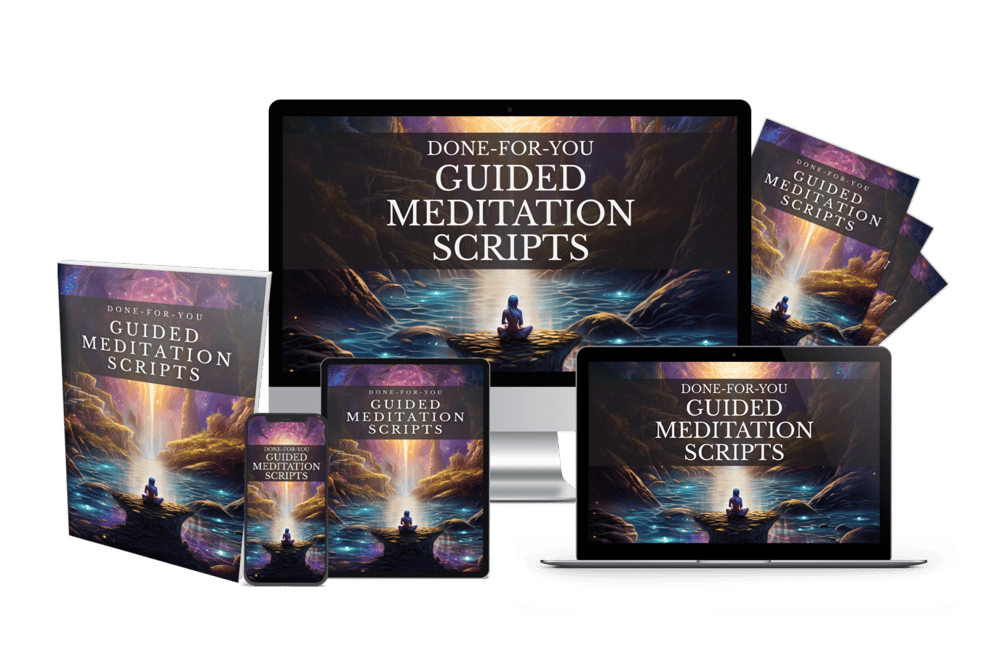
Thanks for reading this article ,If you’re looking for more resources to support your mindfulness practice or enhance your coaching sessions, visit mindfulnesscontent.com. We offer a comprehensive 600+ done-for-you guided meditation script bundle, perfect for professionals who want ready-to-use content to help their clients find peace and clarity. Plus, as a special gift, you can download 10 free guided meditation scripts to get started. Head over to our site to discover more tools and content designed to help you on your journey to mindfulness and wellness.
Looking for a Simple Way to Feel More Calm, Centered, and Inspired?
If you're not using these resources for a coaching practice or business, no worries .The following free resources were created to help you find more peace, healing, and balance, wherever you are in life:
Download The Best Free Meditation App- Manifesty

Access hundreds of powerful guided meditations designed to help you relax, recharge, and manifest the life you desire — anytime, anywhere.
Get Your Free Free Aroma Therapy Starter Kit

Get a free Aromatherapy Guide, Essential Oil Planner, 100+ Recipes, DIY Projects, 25% off our favorite bundle and Everything you need to begin your wellness journey!

About the Author - Nick Tsai
Nick Tsai is a Life Coach, Certified Meditation Coach, and NLP Practitioner. He created MindfulnessContent.com to help coaches grow their practice and make mindfulness more accessible through done-for-you scripts and resources. His mission is to empower both professionals and individuals on their journey to greater clarity, calm, and impact.
Want To Grow Your Mediation Practice?
Click the button below and to receive the Meditation Mastery Kit absolutely free. Gain access to a treasure trove of free guided meditation scripts, tracks, and social media post templates
Resources
Want To Grow Your Mediation Practice?
Get Our Meditation Mastery Kit For Free
Click the button below and to receive the Meditation Mastery Kit absolutely free. Gain access to a treasure trove of free guided meditation scripts, tracks, and social media post templates