Are You a Mindfulness Professional or Coach Looking to Grow Your Practice?
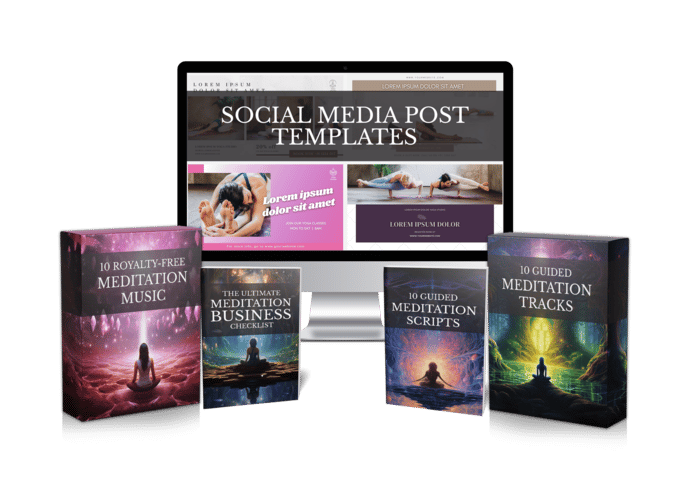
Share your best email address to receive the Meditation Mastery Kit — absolutely free. Inside, you’ll get done-for-you guided meditation scripts, royalty-free meditation tracks, and social media post templates to help you better serve your clients and expand your reach.

How to Make a Sleep Meditation in Your Own Voice: 6 Calm Steps (Record Once, Reuse Every Night)
Saturday, November 21, 2026
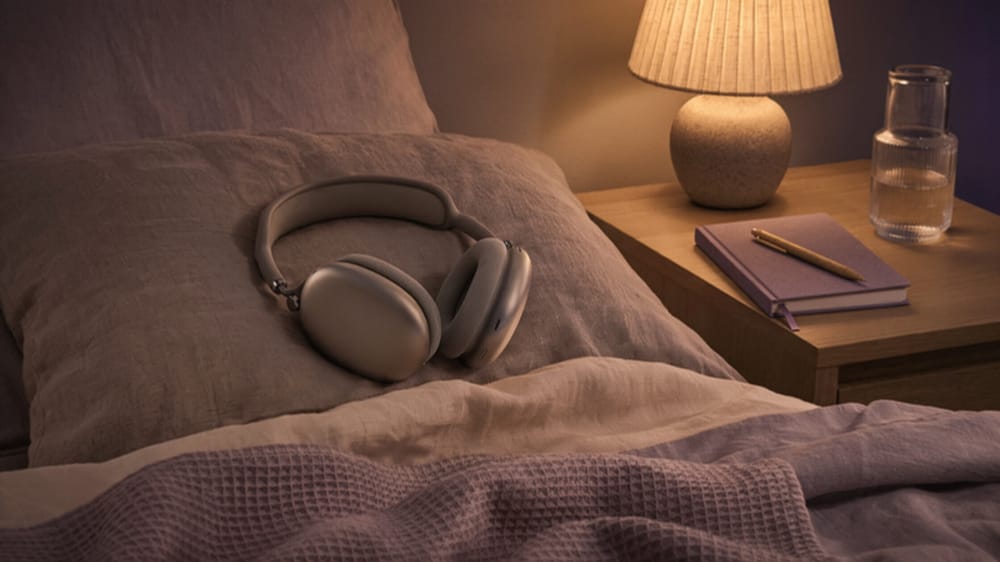
Your students keep asking for the same thing: something to listen to at night, in the voice they already trust. Learning how to make a sleep meditation in your own voice sounds like a studio project. It isn’t anymore. You can record your voice once, type a short bedtime script, and end up with a finished track that sounds like you sitting at the end of the bed.
This guide walks through the whole thing in six steps. It also covers the part most tutorials skip: when a real, live recording is still the better choice.
Why Bedtime Recordings in Your Own Voice Are So Hard to Make
A sleep meditation asks a lot of a voice. It has to be slow, low and steady for ten or twenty minutes, with long pauses that feel natural rather than awkward. Most of us can do that in a room with a client. In front of a microphone at 11 p.m., it falls apart.
The fridge hums. A car goes by. You stumble on one word in minute fourteen and start over. Then comes the editing: trimming breaths, stretching pauses, lining up soft music underneath and making sure it never gets louder than you. One track can eat a whole evening.
There’s also the nervous-voice problem. Plenty of teachers who sound wonderfully calm in a live class tense up the moment the record light comes on. The result sounds careful and a little stiff, which is the opposite of what a tired listener needs.
So the requests pile up, and the recording never happens. That gap is what the steps below are built to close.
How to Make a Sleep Meditation in Your Own Voice: 6 Steps
You don’t need a studio, a pop filter or an editing course for any of this. You need a quiet half hour, a script you like and a clear idea of who will be listening. Here’s the order that saves the most time.
Step 1: Decide who it’s for and how long it runs.
A ten-minute wind-down for busy parents is a different track from a long body scan for your yoga students. Pick one listener, one moment of the night and one length before you write a word. It makes every later choice easier.
Step 2: Write a short bedtime script, or let AI draft it.
Keep the language simple and the sentences short. Slow the pacing as the script goes on, and leave room for silence near the end. If you’re stuck, an AI scriptwriter can give you a first draft to edit into your own words; Mindful Render has one built in. You can also start from one of our free guided meditation scripts and adapt it.
Step 3: Record your voice once for cloning.
This is the only time you need the microphone. Find the quietest room you have, speak at the calm pace you use in sessions, and don’t worry about perfection. With voice cloning in Mindful Render, that sample becomes a voice you can use to narrate new scripts, so tonight’s track and next month’s both sound like you.
Step 4: Choose soft background music, or none at all.
Some listeners drift off with a gentle bed of music. Others find any melody distracting and just want your voice. Try both, and think about offering a no-music version alongside so people can choose. Whichever you pick, keep the music well below your voice and steady from start to finish, with no sudden swells.
Step 5: Pick calm, dark visuals if you’re making a video.
For sleep content, the picture should almost disappear: night skies, slow water, a dim room, soft candlelight. Avoid bright colors, fast movement and anything that flashes. A viewer may glance at the screen once and then close their eyes, so one slow, steady scene is plenty. If the track is audio-only, you can skip this step.
Step 6: Listen back in bed, then share it.
Play the finished track the way your listeners will, lying down in the dark. Notice any spot where a pause feels rushed or a sentence wakes you up, fix the script, and render again. When it feels right, send it to your students, add it to your course or post it on your channel.
Script Tips for Sleep Meditations That Actually Feel Sleepy
- Slow down on paper first — shorter sentences and more line breaks in the second half of the script.
- Repeat a gentle anchor phrase — something like “nothing to do, nowhere to go” gives the mind a place to rest.
- Skip the big wake-up ending — a sleep track should fade out, not invite people to open their eyes.
- Use the body, then the breath — move attention down from the forehead to the feet before slowing the breath.
- Keep the imagery soft — warm blankets and quiet rooms beat dramatic mountain views at bedtime.
When a Live Recording Still Makes Sense
A cloned voice is a huge time saver, but it isn’t always the right tool. If you’re making a deeply personal piece, say a recording for one client working through something specific, your real, in-the-moment voice may carry things no clone will. The same goes for a one-off gift where the small imperfections are part of the charm.
A good rule of thumb: use your cloned voice for the library, the weekly uploads and the series your audience comes back to every night. Save live takes for the rare pieces where you want every breath to be real.
Either way, if someone asks how a track was made, tell them plainly. Being open about your process is part of the trust your listeners already give your voice.
What Changes When Your Voice Is Always Available
Imagine a yoga teacher, let’s call her Maya, who has promised her students a bedtime track for months. She writes three short scripts on a Sunday afternoon, records one voice sample and turns them into a small sleep series in Mindful Render: one with soft music, one with no music, and one longer body scan. Her students hear her voice at night without her setting up a microphone again.
That is the real shift. Your voice stops being a scheduling problem. Because you keep full commercial rights to what you create, with attribution optional, those tracks can go into a paid course, a membership or a YouTube channel without a licensing question hanging over them.

If your students have been asking for something to fall asleep to, this is a calm place to start. You can try Mindful Render free and turn your first bedtime script into a sleep meditation in your own voice tonight.
Want to Turn This Script Into a Professional Meditation Audio or Video in Just Few Clicks?

Meet Mindful Render, the ultimate A.I. tool for wellness creators. Skip the expensive microphones and editing software—our platform lets you generate studio-quality, ready-to-publish meditation videos or tracks from any text with in minutes. Just paste your script and let Mindful Render bring it to life.
Looking for More Resources to Grow Your Mindfulness Practice or Support Your Clients?
Thanks for reading this article ,If you’re looking for more resources to support your mindfulness practice or enhance your coaching sessions, visit mindfulnesscontent.com. We offer a comprehensive 600+ done-for-you guided meditation script bundle, perfect for professionals who want ready-to-use content to help their clients find peace and clarity. Plus, as a special gift, you can download 10 free guided meditation scripts to get started. Head over to our site to discover more tools and content designed to help you on your journey to mindfulness and wellness.
Looking for a Simple Way to Feel More Calm, Centered, and Inspired?
If you're not using these resources for a coaching practice or business, no worries .The following free resources were created to help you find more peace, healing, and balance, wherever you are in life:
Download The Best Free Meditation App- Manifesty

Access hundreds of powerful guided meditations designed to help you relax, recharge, and manifest the life you desire — anytime, anywhere.
Get Your Free Free Aroma Therapy Starter Kit

Get a free Aromatherapy Guide, Essential Oil Planner, 100+ Recipes, DIY Projects, 25% off our favorite bundle and Everything you need to begin your wellness journey!

About the Author - Nick Tsai
Nick Tsai is a Life Coach, Certified Meditation Coach, and NLP Practitioner. He created MindfulnessContent.com to help coaches grow their practice and make mindfulness more accessible through done-for-you scripts and resources. His mission is to empower both professionals and individuals on their journey to greater clarity, calm, and impact.
Want To Grow Your Mediation Practice?
Click the button below and to receive the Meditation Mastery Kit absolutely free. Gain access to a treasure trove of free guided meditation scripts, tracks, and social media post templates
Resources
Want To Grow Your Mediation Practice?
Get Our Meditation Mastery Kit For Free
Click the button below and to receive the Meditation Mastery Kit absolutely free. Gain access to a treasure trove of free guided meditation scripts, tracks, and social media post templates