Are You a Mindfulness Professional or Coach Looking to Grow Your Practice?
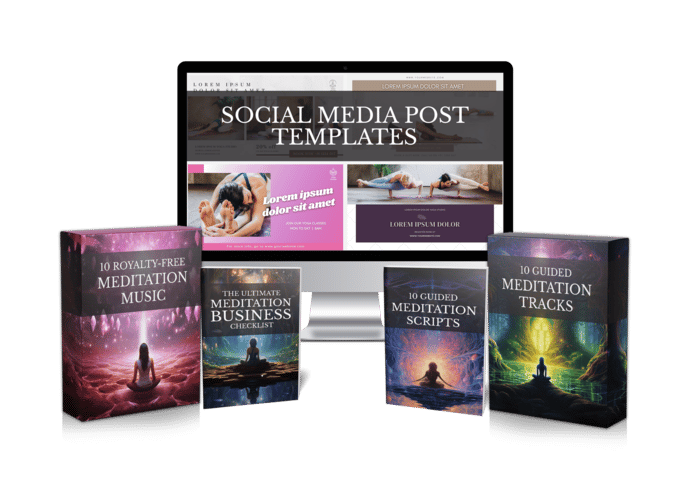
Share your best email address to receive the Meditation Mastery Kit — absolutely free. Inside, you’ll get done-for-you guided meditation scripts, royalty-free meditation tracks, and social media post templates to help you better serve your clients and expand your reach.

AI Guided Meditation Generator: 7 Things to Look For Before You Choose One
Sunday, October 11, 2026

You’ve written the meditation. The words feel right, the pacing is gentle, and you know exactly who it’s for. Then comes the hard part: turning that script into something people can actually press play on. That gap is exactly what an AI guided meditation generator is built to close.
But not every tool is made for wellness creators. Some produce robotic voices, some leave you guessing about what you’re allowed to publish, and some only solve one piece of the puzzle. This guide walks you through what to look for, how to test a generator in a single afternoon, and what changes once production stops being the bottleneck.
Why so many meditation creators get stuck after the script
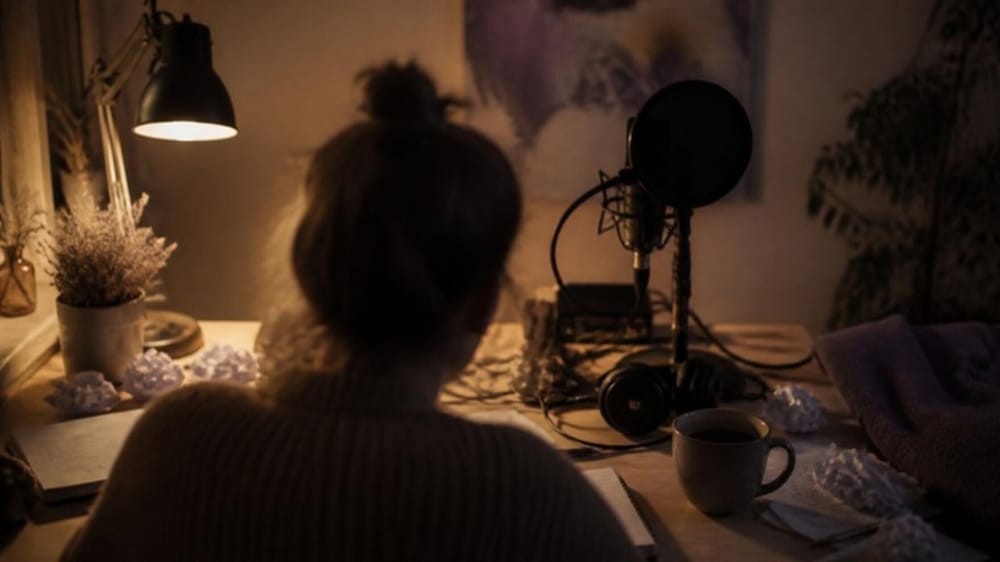
Take a typical yoga teacher, let’s call her Maya. Imagine she has a notebook full of meditation scripts her students keep asking for. She’s a natural guide in the room, yet every attempt to record at home ends the same way: a dog barks, a neighbor starts a lawnmower, or her voice tightens the moment the red light comes on.
So she does what many creators do. She records ten takes, picks the least-bad one, and then spends a whole evening cutting breaths, smoothing volume and trying to line up background music. By the time one meditation is finished, the next three scripts are still waiting.
If you recognize yourself in Maya, the problem isn’t your teaching. It’s the production workflow. Recording, editing, finding music you’re allowed to use and adding visuals are four separate jobs, and most solo creators are trying to do all of them alone.
What an AI guided meditation generator actually does
At its simplest, an AI guided meditation generator takes text and turns it into a finished meditation. Instead of recording and editing yourself, you provide a script (or ask the AI to help write one), choose a voice, add background music or visuals, and let the tool assemble the result.
The best tools for creators go further than a basic text-to-speech app. They’re designed around the specific shape of meditation content: slow pacing, calm voices, soft music underneath, and visuals that don’t distract. They also make it clear what you can do with what you create, which matters the moment you want to sell or publish it.
That’s the gap Mindful Render was built for. It creates guided meditation, positive affirmation and prayer videos and audios from text in minutes, with natural AI voices, background music and custom visuals, so the whole production step happens in one place.
7 things to look for in an AI guided meditation generator
Before you commit to any tool, run it against this checklist. Each point maps to a real headache that creators run into when they try to scale their meditation content.
- Calm, natural voices — the narration should sound unhurried and warm, not like a navigation app reading directions.
- Your own voice as an option — voice cloning lets your audience keep hearing you, even when you don’t record every session.
- Script help when you need it — an AI scriptwriter is useful for first drafts, new themes and busy weeks.
- Background music built in — music that sits softly under the voice saves hours of searching and syncing.
- A no-music option — some practices, like body scans or therapy-style relaxation, work better with voice only.
- Visuals for video platforms — calm backgrounds turn an audio track into something you can post on video channels.
- Clear commercial rights — you should know, in writing, that you can sell, publish and monetize what you create.
That last point deserves extra attention. Many creators only discover licensing questions after they’ve uploaded a dozen videos. Choosing a generator that grants full commercial rights from the start means you can build a library, a course or a paid membership without second-guessing every track.
If you’d rather start from tested wording than a blank page, a library of ready-made guided meditation scripts can give the generator something strong to work with.

How to test an AI meditation generator in one afternoon
You don’t need a week of research to know if a tool fits. Set aside a quiet afternoon and walk through these steps with one real script.
Step 1: Pick a script you know well.
Use a meditation you’ve guided many times. Because you know how it should feel, you’ll instantly hear whether the pacing and tone land.
Step 2: Try at least two voices.
Listen with headphones and with your eyes closed. The right voice disappears into the experience; the wrong one keeps pulling you back to the surface.
Step 3: Test your own voice.
If the tool offers voice cloning, try it. For teachers with an existing community, hearing a familiar voice can make AI-produced sessions feel like a natural extension of your classes.
Step 4: Compare music and no-music versions.
Export one version with background music and one without. Share both with a trusted student or client and ask which helped them settle more easily.
Step 5: Check the rights before you publish.
Read the tool’s terms for commercial use and attribution. If the answer isn’t clear, keep looking until it is.
When creators run this test with Mindful Render, the steps fit in one sitting: paste or generate a script, choose a natural AI voice or clone your own, add background music or leave it voice-only, pick visuals, and you have a finished meditation you hold full commercial rights to, with attribution optional.
What changes when production stops being the bottleneck
Go back to Maya for a moment. In this example, once she stops recording and editing every session by hand, her week looks different. Her energy goes into what she’s best at: writing meaningful scripts, listening to her students and deciding what they need next.
A meditation that used to take an evening becomes something she can finish between classes. That makes it realistic to share content consistently, build themed series for sleep, stress or self-compassion, and offer recordings as a bonus for workshops or a paid library.
- Batch your scripts — write or generate several themes in one sitting, then produce them together.
- Keep one consistent voice — whether a chosen AI voice or your clone, consistency helps listeners trust your channel.
- Listen before you publish — a quick review with headphones catches anything that feels rushed.
- Match visuals to the theme — soft night scenes for sleep, gentle sunrise imagery for morning practice.
The goal isn’t to replace your presence as a teacher. It’s to let your guidance reach people when you can’t be in the room, without sacrificing your evenings to an audio editor.
Choosing the right AI guided meditation generator for you
The right generator is the one that removes your biggest obstacle. If recording is what stops you, prioritize natural voices and voice cloning. If editing and music eat your time, look for built-in background music and visuals. If you plan to sell, put commercial rights at the top of your list.
Your scripts already carry the heart of your work. A good tool simply gets them into your listeners’ ears faster, with less friction and more consistency.
You can try Mindful Render free and turn one of your favorite scripts into a finished guided meditation today, complete with a calm voice, background music and visuals you’re free to use commercially.
Want to Turn This Script Into a Professional Meditation Audio or Video in Just Few Clicks?

Meet Mindful Render, the ultimate A.I. tool for wellness creators. Skip the expensive microphones and editing software—our platform lets you generate studio-quality, ready-to-publish meditation videos or tracks from any text with in minutes. Just paste your script and let Mindful Render bring it to life.
Looking for More Resources to Grow Your Mindfulness Practice or Support Your Clients?
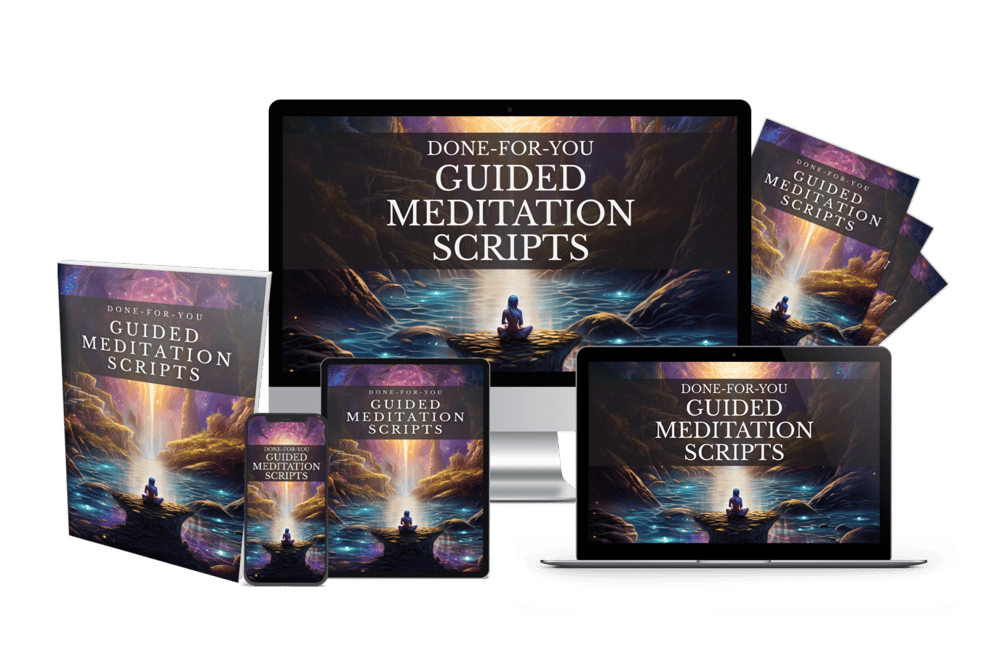
Thanks for reading this article ,If you’re looking for more resources to support your mindfulness practice or enhance your coaching sessions, visit mindfulnesscontent.com. We offer a comprehensive 600+ done-for-you guided meditation script bundle, perfect for professionals who want ready-to-use content to help their clients find peace and clarity. Plus, as a special gift, you can download 10 free guided meditation scripts to get started. Head over to our site to discover more tools and content designed to help you on your journey to mindfulness and wellness.
Looking for a Simple Way to Feel More Calm, Centered, and Inspired?
If you're not using these resources for a coaching practice or business, no worries .The following free resources were created to help you find more peace, healing, and balance, wherever you are in life:
Download The Best Free Meditation App- Manifesty

Access hundreds of powerful guided meditations designed to help you relax, recharge, and manifest the life you desire — anytime, anywhere.
Get Your Free Free Aroma Therapy Starter Kit

Get a free Aromatherapy Guide, Essential Oil Planner, 100+ Recipes, DIY Projects, 25% off our favorite bundle and Everything you need to begin your wellness journey!

About the Author - Nick Tsai
Nick Tsai is a Life Coach, Certified Meditation Coach, and NLP Practitioner. He created MindfulnessContent.com to help coaches grow their practice and make mindfulness more accessible through done-for-you scripts and resources. His mission is to empower both professionals and individuals on their journey to greater clarity, calm, and impact.
Want To Grow Your Mediation Practice?
Click the button below and to receive the Meditation Mastery Kit absolutely free. Gain access to a treasure trove of free guided meditation scripts, tracks, and social media post templates
Resources
Want To Grow Your Mediation Practice?
Get Our Meditation Mastery Kit For Free
Click the button below and to receive the Meditation Mastery Kit absolutely free. Gain access to a treasure trove of free guided meditation scripts, tracks, and social media post templates